AI Color Analysis
One full-length photo, and your shoulders, waist and hips are measured against each other — with the cuts that follow from the result.
Every read comes down to three widths: the shoulders, the narrowest point of the waist, and the hips. Tap a shape to open its full guide, or upload a photo to see where yours land.
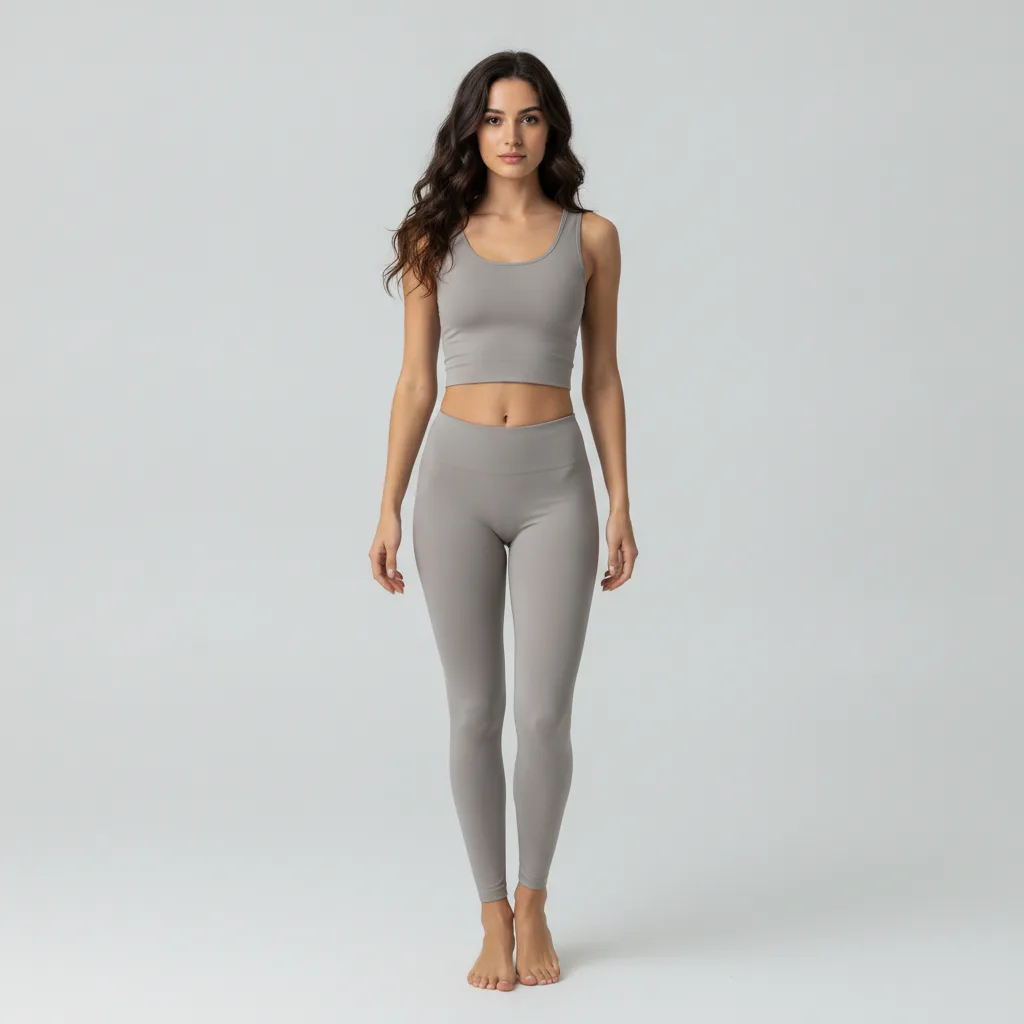
Shoulders and hips about equal, waist clearly narrower than both.
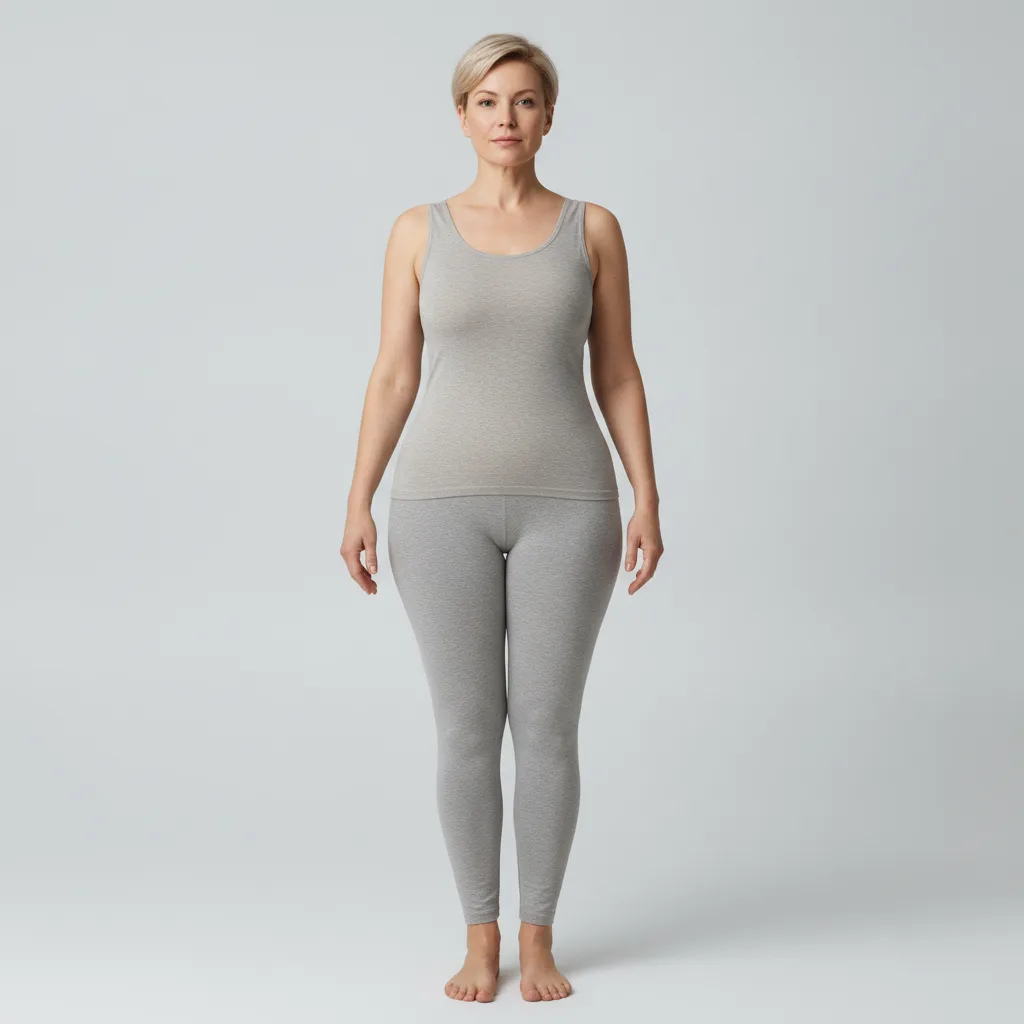
Hips wider than the shoulders, weight of the silhouette below the waist.
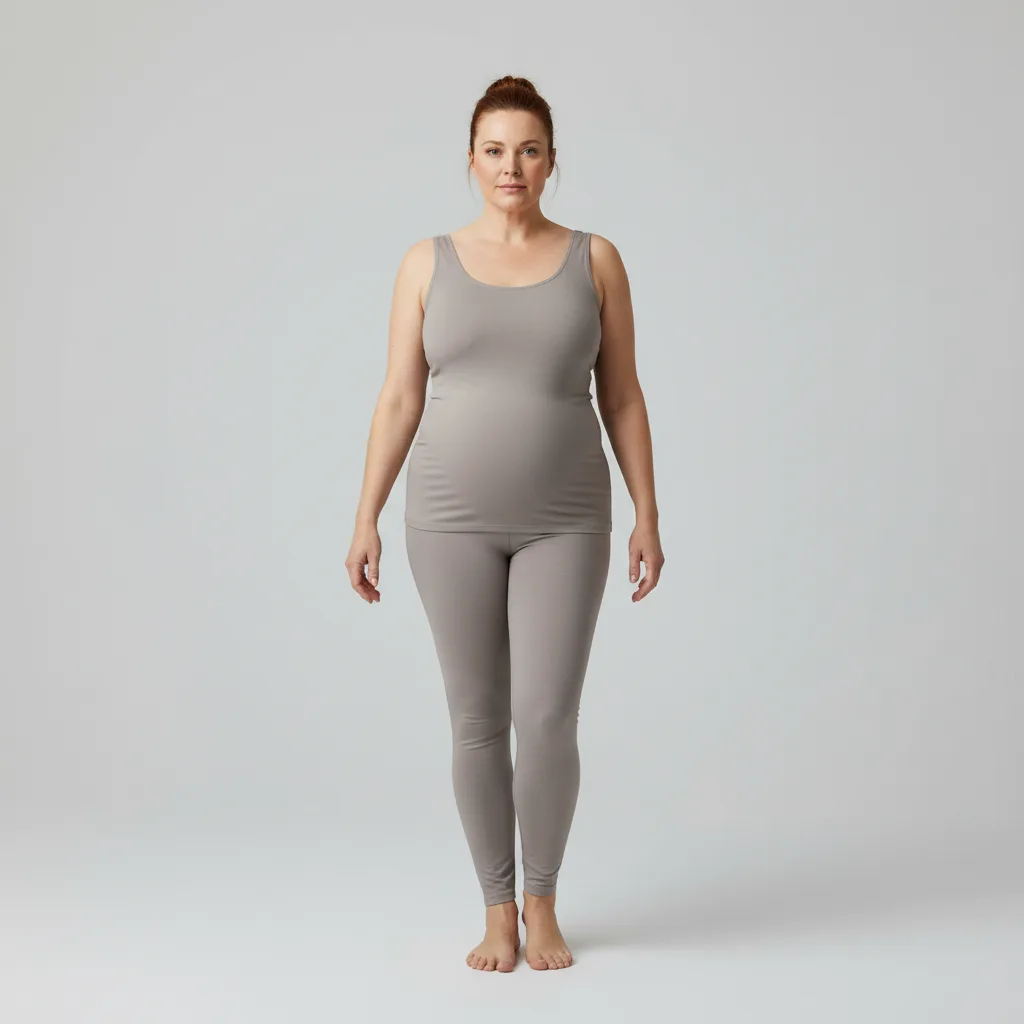
Volume through the midsection, waist as wide as the hips or wider.
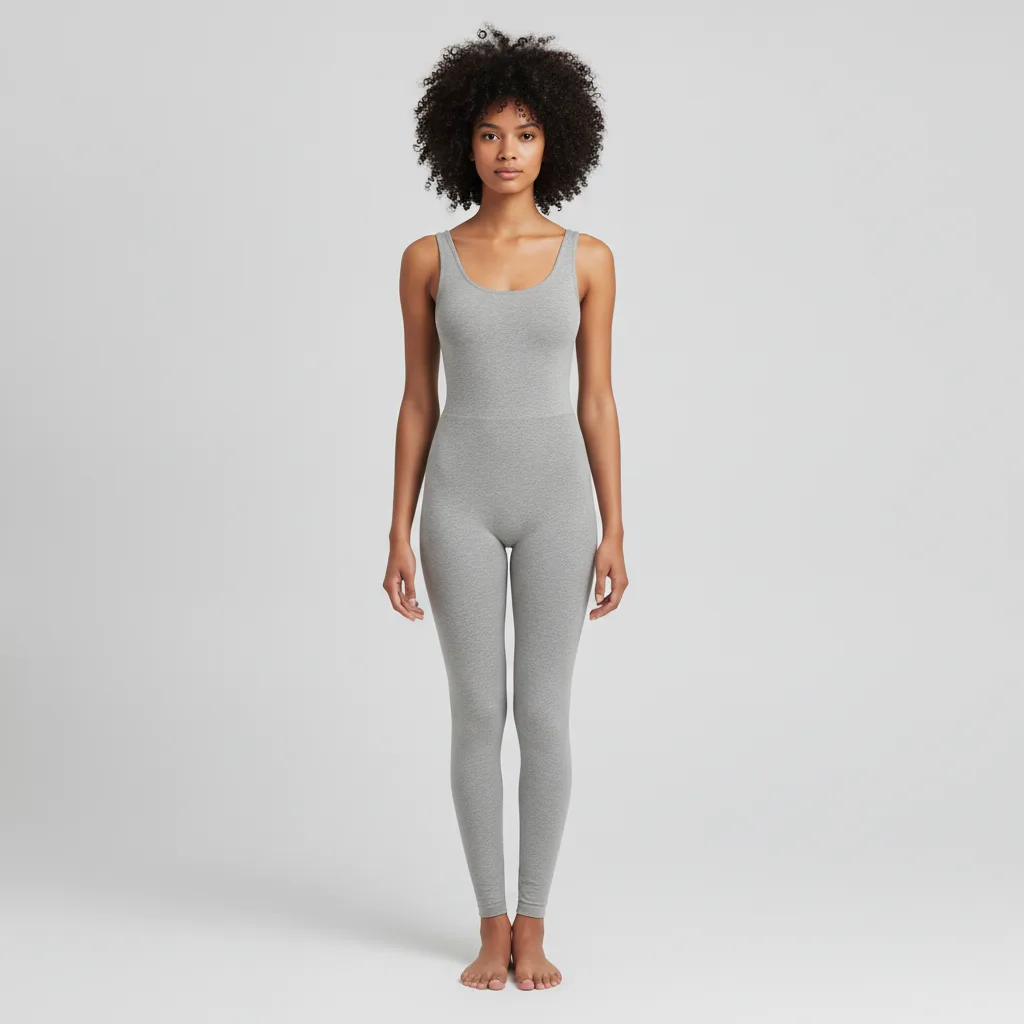
Shoulders, waist and hips close in width, little curve at the waist.
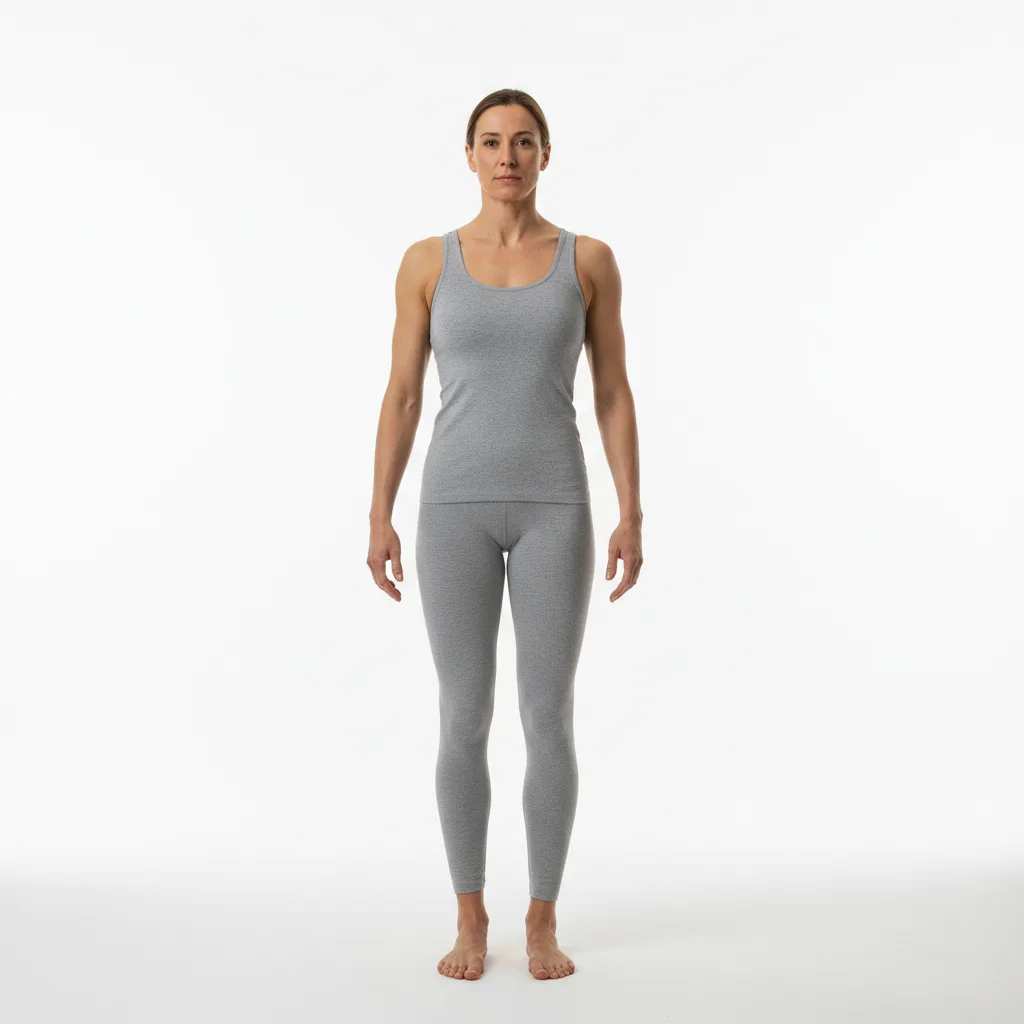
Shoulders or bust wider than the hips, silhouette tapering down.
From photo to result in under a minute.
Standing straight, arms away from the body, in clothes that follow your outline.
Shoulders, the narrowest point of the waist, and the hips at their widest.
Silhouettes, tops and bottoms that work with those measurements.
What makes the read worth trusting before you change your wardrobe.
The type comes from your shoulder, waist and hip widths — not from a chart you have to match by eye.
If a loose fit hides the waistline, the report lowers its confidence and says so rather than guessing.
The image is processed for your report and deleted on a short timer. Nothing is published anywhere.
The report talks about cuts, rises and hems — never about your body, your weight or what to change about yourself.
It is the input behind most styling advice you will ever read.
Reading your own silhouette in a mirror is famously unreliable — the numbers come from the photo.
Knowing which cuts follow from your proportions saves the fitting-room roulette.
Most figures sit between two types; the report says so instead of forcing one.
From photo to result in under a minute.
A coat or a suit is worth choosing against your proportions, not against the model in the photo.
The shape tells you which silhouettes to repeat and which to keep as exceptions.
You cannot try it on, so the cut has to be judged from the description — this tells you what to look for.
Proportions shift over the years; the wardrobe rules that used to work may simply be out of date.
From the ratio between shoulder, waist and hip width. The type is whichever set of criteria those ratios match best — most people sit between two.
Full length, standing straight, facing the camera, arms slightly away from the body. Fitted clothes read best; a coat or an oversized jumper hides the waist.
No. Body shape is about the relationship between three widths, not about weight or clothing size — the same shape occurs at every size.
That is the common case. The report names the closest type, the runner-up, and how confident the call is.
It is used for this analysis and deleted automatically after a few days. The report stays; the photo does not.
No. It is about clothes: which cuts and silhouettes do what for the proportions in the photo. There are no judgements about your body in the report.
Every look you generate is saved to your account, so you can compare them side by side later.
Upload one photo — the analysis and the try-on live in the same place.
Start AI Color Analysis